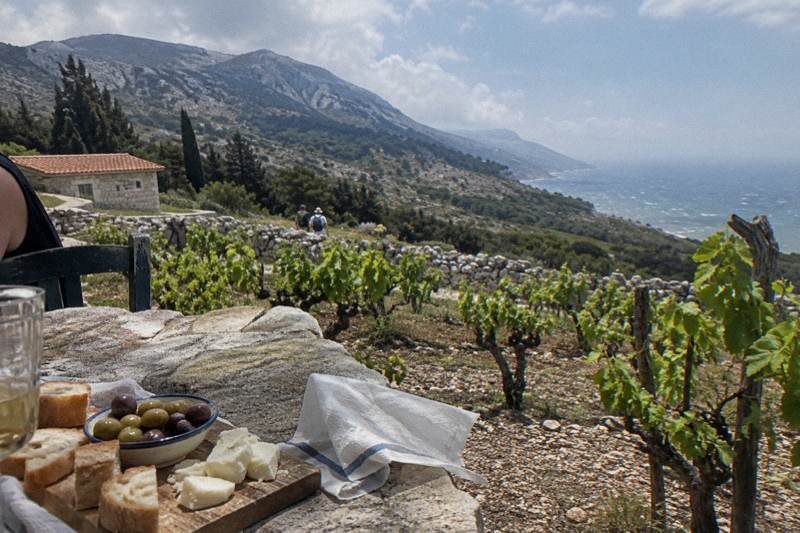
What Is The Best Wine In Kefalonia?
Kefalonia's answer is three PDO wines, Robola, Mavrodaphne and Muscat, and the tasting that pours them. Here is how the record reads, tour by tour.
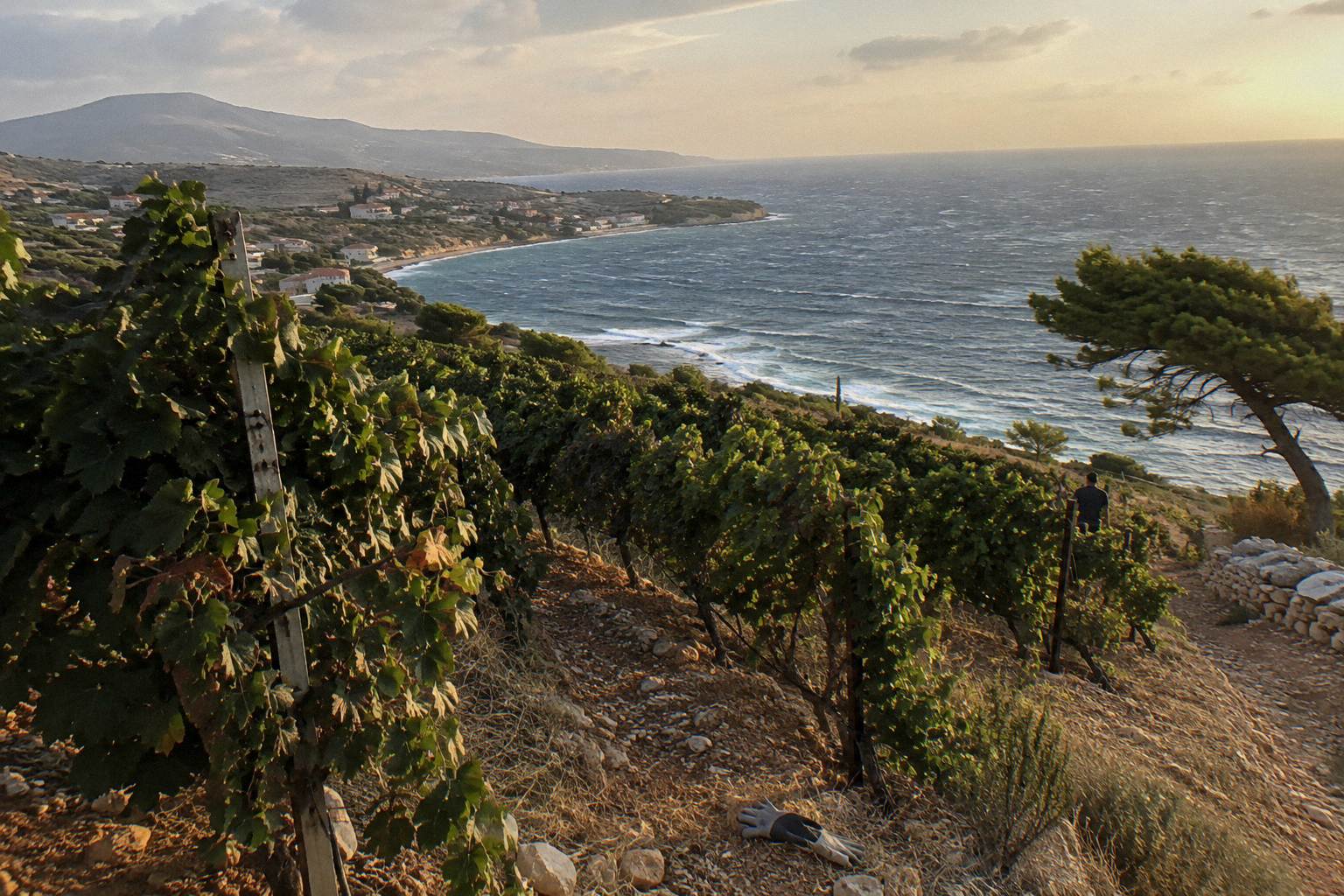
No single wine holds that title, and this site will not invent a ranking. What the record actually names is three PDO wines: Robola of Cephalonia, made from 100 percent Robola on the Omala plateau under Mount Ainos; Mavrodaphne of Cephalonia, a sweet red fortified wine from the Paliki peninsula and Elios-Pronni; and Muscat of Cephalonia, a sweet white also from Paliki. Which one is "best" for you depends on which tasting format you book.
That is a less exciting answer than a podium, but it is the honest one. The Robola of Cephalonia PDO, registered in 1981, covers the communities of Omala, Davgata, Dilinata, Troianata, Faraklata and parts of Moussata and Vlachata, at altitudes of roughly 175 to 800 metres, as set out in the EU's published zone description. The other two are separate PDOs with separate zones: Mavrodaphne of Cephalonia from western Kefalonia, and Muscat of Cephalonia from the villages of the Paliki peninsula, including Lixouri, Zola, Katogi, Soulari, Skineas and Havdata.
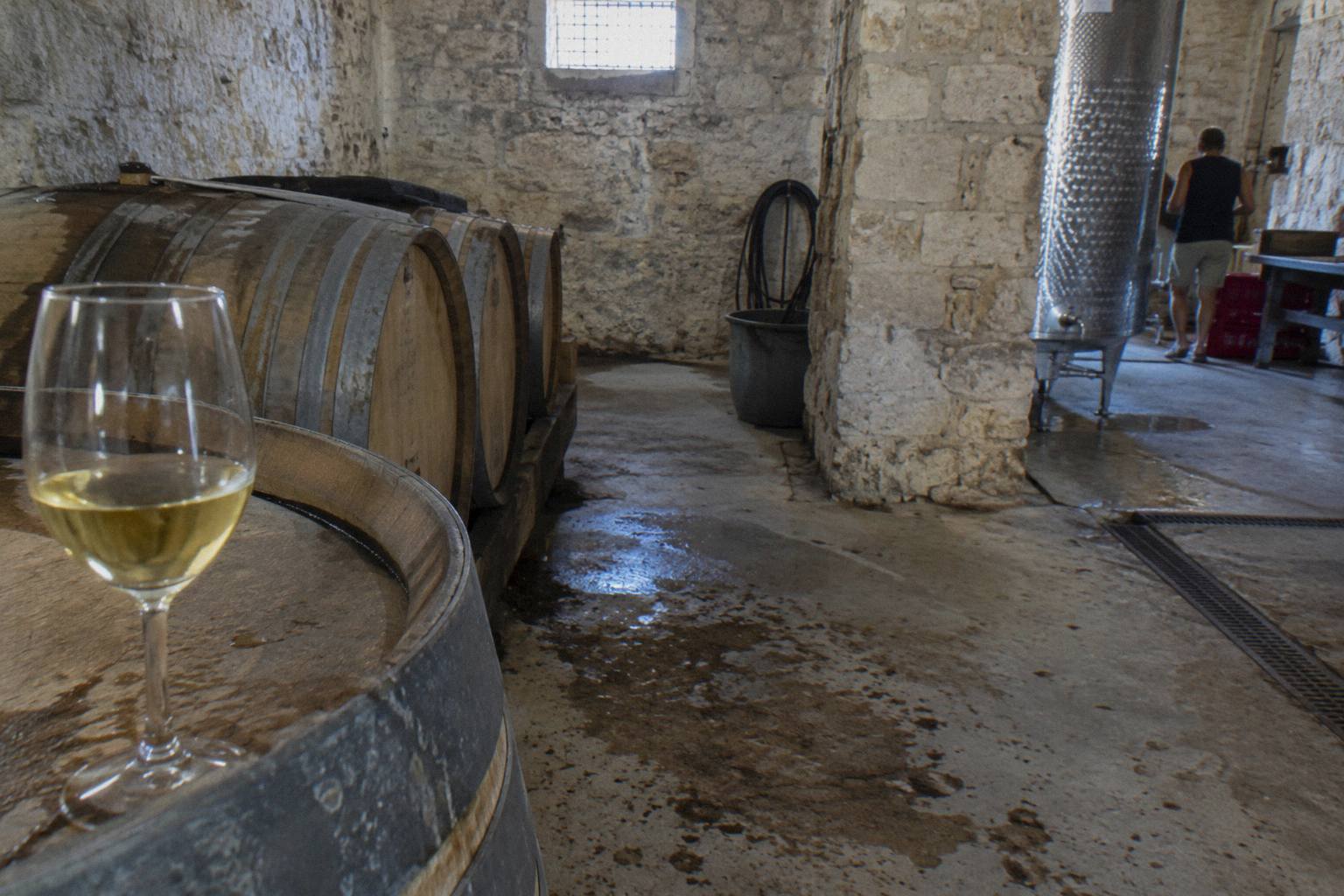
What the record does not contain is any tasting notes, medal lists or producer rankings. This site, Kefalonia Wine Tasting, reports only what can be checked, so instead of telling you which bottle wins, the rest of this page shows you which tours pour which wines and how the formats differ. That is the decision you are actually making, and it is a better one than chasing a "best bottle" list written by someone who has never checked a listing.
Think of it this way. A traveller who books a 50-minute shop tasting in Argostoli will meet three named labels, Robola, Vostilidi and Mavrodaphne, in a single sitting, with olive oil, vinegar and cheese alongside. A traveller who books a full-day island loop will taste Robola once at a winery between a lake and a fishing village. Neither has tasted "better wine" than the other in any provable sense; they have simply chosen different days. The sections below lay out every pour the roster names, so you can match the wines you want to meet with the day you want to have.
If you want the shortcut: the tours below pour local labels, several of them Robola, and the format you pick (a 50-minute shop tasting, a half-day small-group tour, a full island loop with a winery stop) matters more than any bottle choice you could make in advance.
Each pours different wines in a different setting, and the sections below explain exactly what each listing promises, including what it leaves out.
What Are The Three PDO Wines Of Kefalonia?
The record names three protected wines. Robola of Cephalonia must be 100 percent Robola and comes from the zone around Mount Ainos and the Omala plateau. Mavrodaphne of Cephalonia is a sweet red fortified wine from the Paliki peninsula and the Elios-Pronni area. Muscat of Cephalonia is a sweet white from Paliki's villages. Beyond those bare facts, the record stops, so this page prints no tasting notes, no scores and no vintage advice.
The useful thing about PDO status is that it is a legal definition, not a marketing claim. Each of the three names is tied to a defined place and grape, which means when a tour listing says "Robola tasting" you know what you are being served, and when a shop tasting names Mavrodaphne you know it is the sweet fortified style and not a table red. For the background on the island's flagship grape, see the guide to Robola wine of Kefalonia, and for the red, the guide to Mavrodaphne of Cephalonia.
There is a second reason the PDO definitions matter for a visitor, and it is a practical one. Because each name is legally bound to a zone, the geography of your day and the wine in your glass are connected. A tour that climbs toward the Agios Gerasimos monastery in Omala is inside Robola country by definition. A listing that mentions the Paliki peninsula, the Lixouri side of the island, is in the home of both Mavrodaphne and Muscat. You do not need tasting notes to plan around that; you need a map and the three zone definitions above.
Here is how the three PDOs line up on paper. Note what the table deliberately leaves out: no style descriptions beyond what the official definitions state, because the verified record contains none. The blend rules come from the wines-of-greece PDO pages linked above.
| PDO wine | Grape rule | Zone | Character the record allows |
|---|---|---|---|
| Robola of Cephalonia | 100 percent Robola | Mount Ainos area, Omala plateau; Omala, Davgata, Dilinata, Troianata, Faraklata, parts of Moussata and Vlachata; about 175 to 800 m | No tasting notes in the record |
| Mavrodaphne of Cephalonia | Minimum 51 percent Mavrodaphne, Corinthian Black permitted | Western Kefalonia (Paliki), Elios-Pronni | Sweet red, fortified |
| Muscat of Cephalonia | 100 percent Muscat White | Paliki peninsula: Lixouri, Zola, Katogi, Soulari, Skineas, Havdata | Sweet white |
Two of the three are sweet wines, and that surprises many first-time visitors who arrive expecting only the island's famous white. It also shapes what a "complete" Kefalonian tasting looks like: a line-up that stops at Robola has met one third of the island's protected output. The 50-Minute Tasting, 3 Labels covers Robola and Mavrodaphne but adds Vostilidi rather than Muscat; no single tour on this roster names all three PDOs in its listing text. If meeting Muscat matters to you, ask the operator directly, because the record confirms no tour that promises it.
One caution that belongs here rather than repeated later: only the Cooperative's own details above are confirmed for independent visits. Tourism sources list Gentilini, Sclavos, the Robola Cooperative, Haritatos and Petrakopoulos as wineries open to visitors, with no hours, prices or formats attached, and this site prints nothing further about them. If a tasting matters to your day, book a tour that names it in the listing.
Which Tastings Actually Pour These Wines?
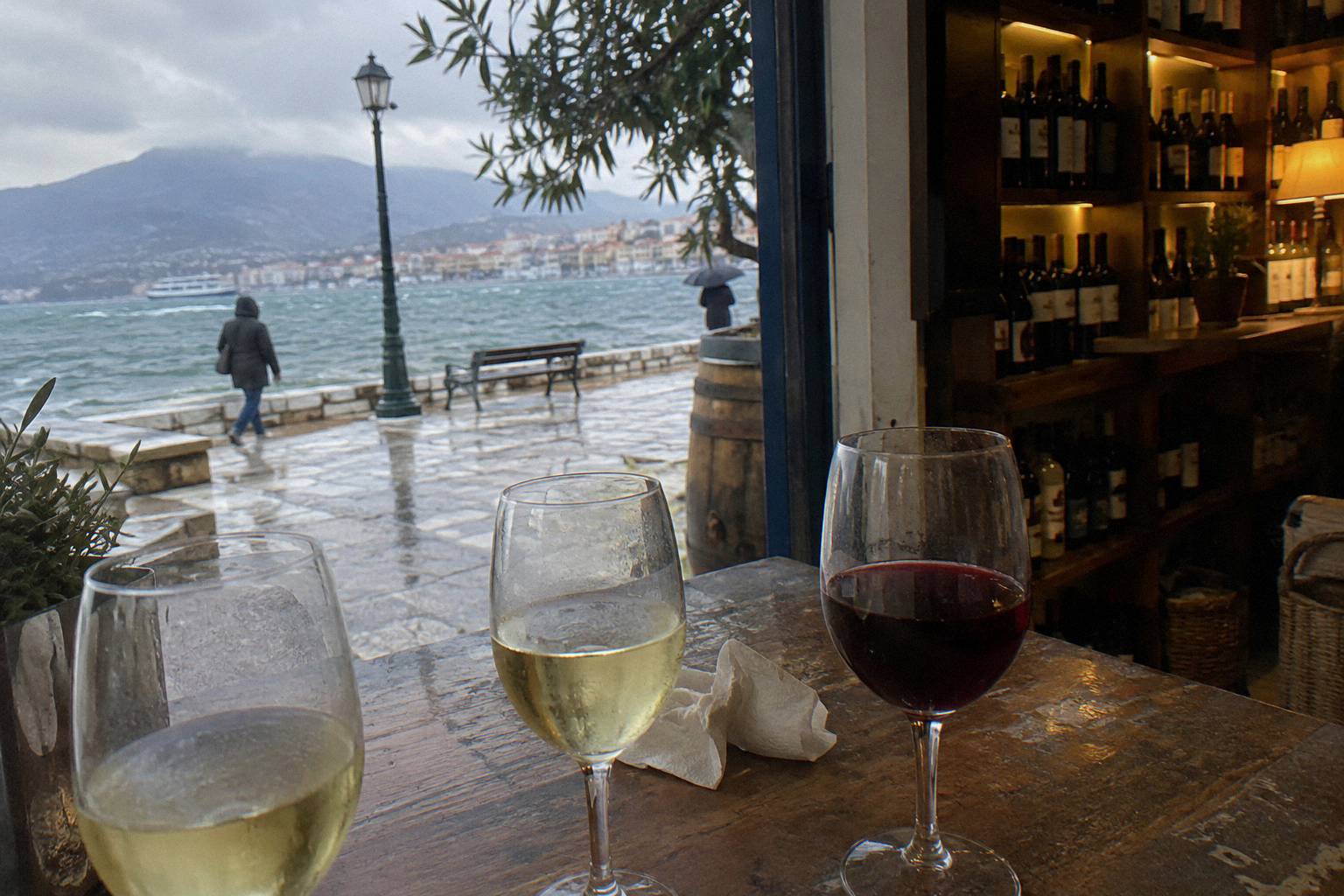
The clearest label-by-label pour is the 50-Minute Tasting, 3 Labels by Kefalonia Excursions at The Vine wine shop in Argostoli, from €25 per person, which names Robola, Vostilidi and Mavrodaphne. The Wine Bar Workshop, Snacks at Oinos pours five Kefalonian labels including Robola and Mavrodaphne. The 18 Tastings In 3 Wineries tour pairs 18 tastings across three wineries. Each listing names its own pour, and none is described beyond that.
Start with the shortest, because it is the closest thing to answering the page's question in a glass. The 50-Minute Tasting, 3 Labels runs at Leof. Ioannou Metaxa 40 in Argostoli, lasts 50 minutes, costs from €25 per person, adds olive oil, vinegar and cheese alongside the three wines, and carries an 18-plus minimum with free cancellation up to 24 hours out. A sommelier leads the session. It prints no rating, because the row carries none to print. It is the cheapest per-person tasting on this site and the only one that names three specific labels in its listing text, which makes it the single most direct answer to "what should I taste" for anyone staying in or near the capital.
The Wine Bar Workshop, Snacks by UNEXPLORED KEFALONIA takes a teaching approach: five premium Kefalonian wines including Robola and Mavrodaphne, a structured tasting-technique session led by a wine expert, tasting mats and glassware, bottled water for palate cleansing, from €60 per person for an hour and a half. Transfers to and from the Oinos wine bar in the Skala area are not included, and neither is a full meal; the listing is explicit that snacks are not dinner. Anything ordered beyond the five-label flight is charged extra. You can check availability if that format suits a slower evening in the south of the island.
The 18 Tastings In 3 Wineries tour by Kefalonia Excursions is the deepest pour on the roster: 18 wine tastings paired with local delicacies across three wineries (the listing does not name them), plus olive oil, hotel pick-up and drop-off, winery entry and an experienced guide, over five to six hours. It is rated 4.6 across 20 reviews, costs from €85 per person, sets a minimum age of 18, and excludes lunch, so budget for a meal. Eighteen tastings across three venues also means roughly six pours per stop, a pace worth knowing about before you commit your afternoon. For the mechanics of timing, the guide to how long a winery tour takes breaks down booked durations versus time at each stop.
Finally, the Wine Tour, Snacks Included by KEFALONIA WINE TOUR, the tour this article is built around: four to five hours through vineyards, olive groves and villages, a wine tasting with snacks and local delicacies, hotel pickup and drop-off, from €90 per person, rated 5 across 407 reviews, the largest review pool on this site. The listing names no specific winery and no specific labels, so if pouring a particular wine matters to you, say so with the operator rather than assuming. What it does promise is the scenery between pours: vineyards and olive groves, island villages, and a driver-guide who handles the roads. Read the tour page for Wine Tour, Snacks Included for the full inclusion list.
Between prose and tokens, a note on how to read the ratings above. A 5.0 from 407 reviews and a 5.0 from 2 reviews are different animals, and every figure on this page prints its count beside it for that reason. Several tours on the roster carry no verified rating at all, and those print none rather than borrowing a neighbour's. When a listing shows hundreds of reviews, you are reading a well-trodden product; when it shows one or two, you are reading early adopters, and both facts are worth knowing before you pay.
Should You Book A Tour Or Visit A Winery Yourself?
Both work, and the record supports each. The Robola Cooperative in Omala Valley pours free tastings on weekdays, with longer hours from May to October, near the Agios Gerasimos monastery at about 410 metres, so a self-drive visit costs nothing at the door. Tours add transport, a driver or guide, and named pours; several include hotel or port pickup where the listing says so. Your choice comes down to whether you want to drive after tasting.
And that is the deciding factor. Greece's drink-drive limit is very low, and this site's standing advice is simple: do not drive after a tasting. Every shared and private tour listed on this page removes that problem, because someone else holds the wheel. The blog post on whether you can drink and drive on a winery day covers the question in full, and it is worth a read before you plan any self-drive wine day on the island.
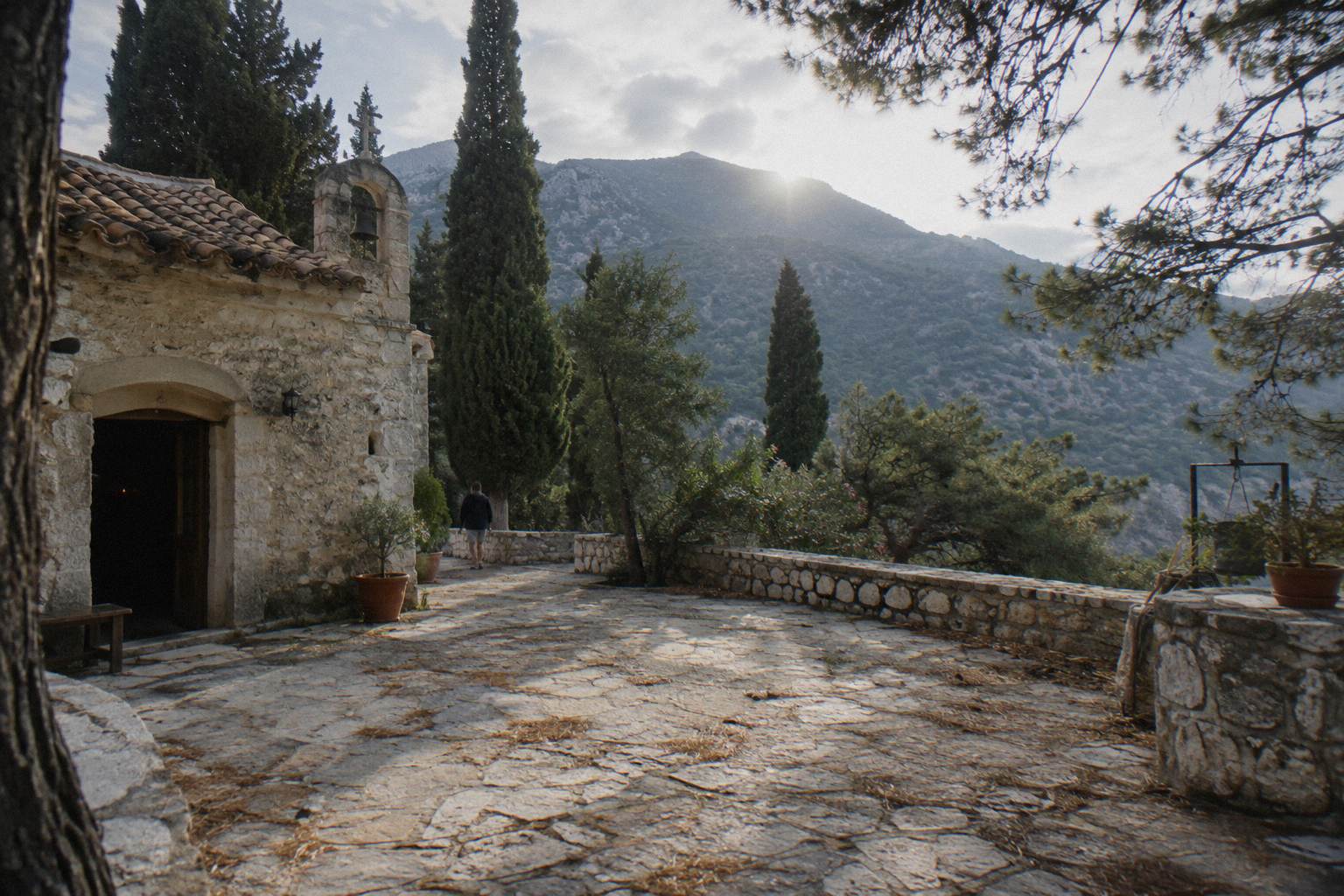
The Cooperative also explains why so many tours cluster around Omala. Founded in 1982 with about 300 growers, it sits in the heart of the Robola zone, and the village names on the PDO list (Davgata, Dilinata, Troianata, Faraklata) are all within a short drive. A listing that says "Robola tasting" without naming the venue is very likely pouring Cooperative wine or wine from the same plateau, but since the record does not confirm which, treat that as geography, not a promise.
There is a budget angle too. The Cooperative's free weekday tastings make it the cheapest possible introduction to the island's flagship grape, cheaper even than the €25 shop tasting in Argostoli, provided you have a sober driver or a taxi arrangement and provided your visit falls on a weekday. Outside the May to October window the hours shorten, so a winter visit needs checking before you set out. None of that appears in any tour listing, which is exactly why it belongs on this page: it is the option the tours do not sell you.
Tours that combine a winery with the island's headline sights are covered in the guide to Kefalonia shore excursions with wine and food, which is the page to read if you are arriving by ship at the central waterfront in Argostoli, where vessels dock at the pier or tender to the central harbour depending on ship and traffic.
How Do The Wine, Winery-Stop And Workshop Formats Compare?
Four formats exist on this roster. Pure wine tours run four to six hours and centre the tasting. Island tours with a winery stop run seven to eight hours and fold a Robola tasting between sights. Short tastings and workshops run 50 to 90 minutes in town. Farm and cooking experiences serve house wine with a meal. Price tracks format: from €25 for the shop tasting, from €40 for the island loop, from €90 for the half-day wine tour.
The Island Bus Tour, 8 Hours by Kefalonia Excursions is the value pick of the second format: from €40 per person, rated 4.8 across 395 reviews, with a Robola Winery tasting, an English-speaking guide and hotel or nearest-meeting-point pickup included, while the Melissani and Drogarati entrance fees are excluded. Similarly, the Robola Winery, Lake And Fiscardo tour by Kefalonia Sightseeing & Tours lists a free wine tasting inside a seven-hour day, from €40 per person, rated 4.8 across 12 reviews, again excluding cave entrance fees. Two different operators, two near-identical shapes, so the differentiators are the review pools and the exact stop list on each live listing.
At the other end sits the private format. The Private Wine Tour, Snacks by SEVEN Sailing & Tourism Services runs four to five hours with wine tasting, mezes and snacks included, from €146 per person, rated 5 across 1 review, a rating from a single guest and worth reading as such. The trade-off between private and shared is covered properly in private or small group winery tours in Kefalonia, so it is not re-litigated here.
The table below lines up the formats with the roster's own figures. Nothing is averaged or converted, and per-group pricing appears nowhere here because no per-group row belongs in a per-person comparison.
| Tour | Operator | Format | Duration | Pours named in listing | From (per person) | Rating |
|---|---|---|---|---|---|---|
| 50-Minute Tasting, 3 Labels | Kefalonia Excursions (The Vine) | Shop tasting, Argostoli | 50 min | Robola, Vostilidi, Mavrodaphne | €25 | None listed |
| Wine Bar Workshop, Snacks | UNEXPLORED KEFALONIA | Workshop, Skala area | 1 h 30 min | 5 Kefalonian labels incl. Robola and Mavrodaphne | €60 | None listed |
| Island Bus Tour, 8 Hours | Kefalonia Excursions | Shared bus with winery stop | 8 h | Robola Winery tasting | €40 | 4.8 from 395 reviews |
| Wine Tour, Snacks Included | KEFALONIA WINE TOUR | Small group | 4 to 5 h | Wine tasting with snacks, labels not named | €90 | 5.0 from 407 reviews |
| 18 Tastings In 3 Wineries | Kefalonia Excursions | Shared, 3 wineries | 5 to 6 h | 18 tastings, labels not named | €85 | 4.6 from 20 reviews |
| Private Wine Tour, Snacks | SEVEN Sailing & Tourism | Private | 4 to 5 h | Tasting with mezes and snacks | €146 | 5.0 from 1 review |
Read down the "pours named" column and the page's answer sharpens. If your question is which wine to taste, the two short formats name their labels and the long formats generally do not; if your question is how much wine and scenery to pack into a day, the island loops and the three-winery tour win on volume. Neither answer is a ranking of the wine itself, because the record supports no such ranking.
Notice too how duration and depth pull in opposite directions. The 50-minute tasting delivers the most specific wine information of anything on the roster in the least time, while the eight-hour bus day delivers the least specific pour in the most time, because most of those hours belong to a monastery, a cave, a lake and a harbour village rather than to wine. Neither operator hides this; the listings say exactly what they include. The mistake to avoid is booking the long day expecting a deep tasting, or the short one expecting an island tour.
One last planning detail from the file: the harvest runs September to October, with the Robola festival in late August, so late-summer and early-autumn visits land when the island's wine calendar is busiest. The guide to the best time of year for winery visits goes further on seasonality. And if your question is simply what a day at a winery should cost, the guide to winery visit costs collects the numbers.
To see live dates and prices for the three headline tastings, check the operator's live listing for each card below.
Whichever card fits, the underlying answer does not change: Kefalonia's "best" wine is a matter of which of its three PDOs you meet first, and a booked tasting is the most reliable way to meet all of them. Pick the format that matches your day, confirm the pour with the operator if a specific wine matters, and leave the rankings to someone willing to invent them.
Common Questions About The Best Wine In Kefalonia
What Is The Best Wine In Kefalonia?
There is no honest single answer. The record names three PDO wines, Robola of Cephalonia, Mavrodaphne of Cephalonia and Muscat of Cephalonia, and the tours that pour local labels. Which you prefer is a matter of taste, so book a tasting that pours several, such as the 50-Minute Tasting, 3 Labels (Robola, Vostilidi, Mavrodaphne) or the 18 Tastings In 3 Wineries tour.
What Grape Is Robola?
Robola of Cephalonia must be made from 100 percent Robola grapes grown in the PDO zone around Mount Ainos and the Omala plateau, at altitudes of roughly 175 to 800 metres. The PDO was registered in 1981.
What Is Mavrodaphne Of Cephalonia?
A sweet red fortified wine with its own PDO, produced in western Kefalonia on the Paliki peninsula and in the Elios-Pronni area. The blend rule allows a minimum of 51 percent Mavrodaphne with Corinthian Black permitted. This page prints no tasting notes because the verified record contains none.
Where Can I Taste Kefalonian Wines For Free?
The Robola Cooperative in the Omala Valley, founded in 1982 with about 300 growers, offers free tastings on weekdays near the Agios Gerasimos monastery. Two shared island tours also list a free Robola tasting within their ticket, from €40 per person. Do not drive yourself to a tasting; Greece's drink-drive limit is very low.
How Much Does A Wine Tasting Cost In Kefalonia?
Tasting-led experiences on this site run from €25 per person for the 50-Minute Tasting, 3 Labels in Argostoli up to from €146 per person for a private wine tour with mezes and snacks. Full details are in the guide to winery visit costs.
How Old Do You Need To Be For A Wine Tasting In Kefalonia?
Greece sells and serves alcohol from age 18, and several island tastings set their own minimum at 18, including the 50-Minute Tasting, 3 Labels, the 18 Tastings In 3 Wineries tour and the Wine Bar Workshop. Check each listing for its own age line, since one private tour sets 17.