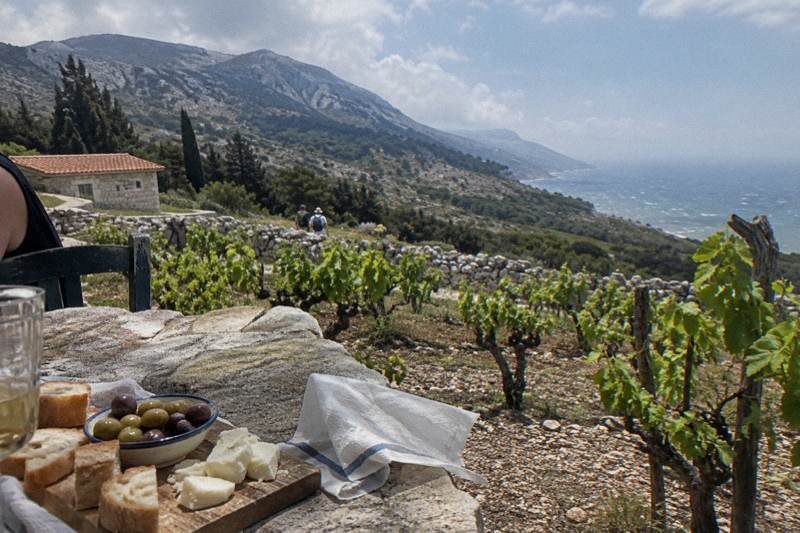
What Is Muscat Of Cephalonia?
Muscat of Cephalonia is a sweet white PDO wine from the Paliki peninsula. What the protected zone covers, which tours come closest to pouring it, and how to ask for it.
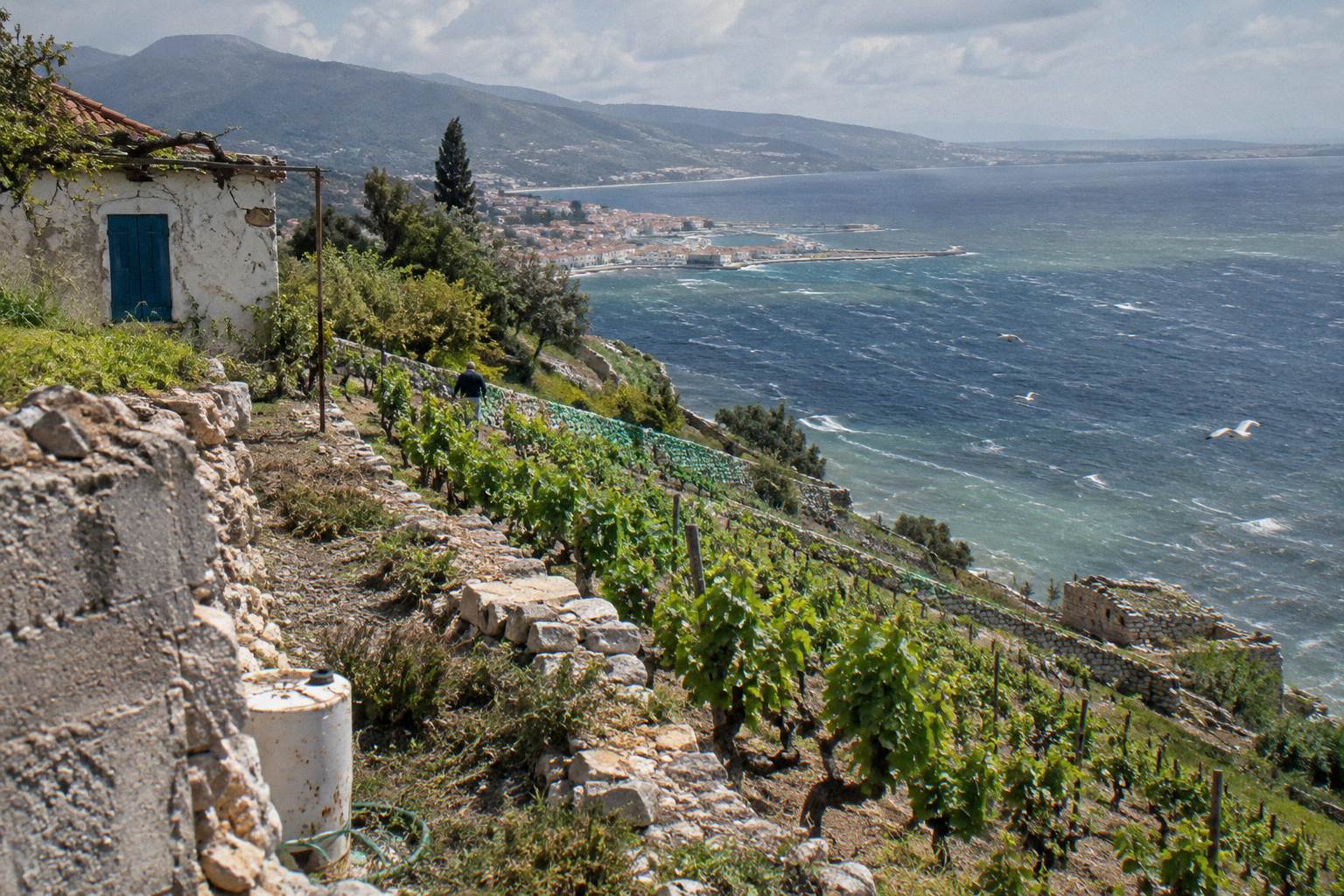
Muscat of Cephalonia is a sweet white wine with its own protected designation of origin, made from 100 percent Muscat White grapes on the Paliki peninsula in western Kefalonia, around Lixouri, Zola, Katogi, Soulari, Skineas and Havdata. It is one of three PDO wines from the island, alongside Robola and Mavrodaphne, and it can be made from sun-dried grapes or fortified. No tour listing on this site pours it by name.
That last sentence matters more than it sounds. Muscat of Cephalonia is the quietest of the island's three protected wines. Robola has the cooperative, the Omala Valley and a festival at the end of August. Mavrodaphne has its own PDO for sweet red. Muscat sits on the far side of the island, on the peninsula that points away from Argostoli, and the organized tour market has not built itself around it the way it has around Robola.
The official PDO specification, as registered with the Greek wine authorities and published by Wines of Greece, is short and specific: the wine must be 100 percent Muscat White, it must be sweet, and the grapes must come from a named set of villages on the Paliki peninsula. That is the whole identity of the wine in one line, and it is worth holding on to because almost everything else you might read about it online is outside the verified record.
On this site, the honest position is this: the record tells us where the wine comes from and what it is made from, and it stops there. There are no verified tasting notes, no sweetness figures, no producer rankings and no history in our sources, so none appear in this article. What we can do is explain the protected zone, show how Muscat fits beside the island's other two PDO wines, and point you at the Kefalonia Wine Tasting tours that get you closest to a glass of it, which in practice means multi-label tastings where you ask the person pouring.
Those three tours are the closest matches on the roster, and none of them promises Muscat. The E-Bike Wine Tour actually rides the Paliki vineyards where the grapes grow. The Wine Bar Workshop pours five Kefalonian labels including Robola and Mavrodaphne. The 18 Tastings In 3 Wineries tour is the widest net on the island. The rest of this article explains why those three, and what to ask when you get there.
Where Does Muscat Of Cephalonia Come From?
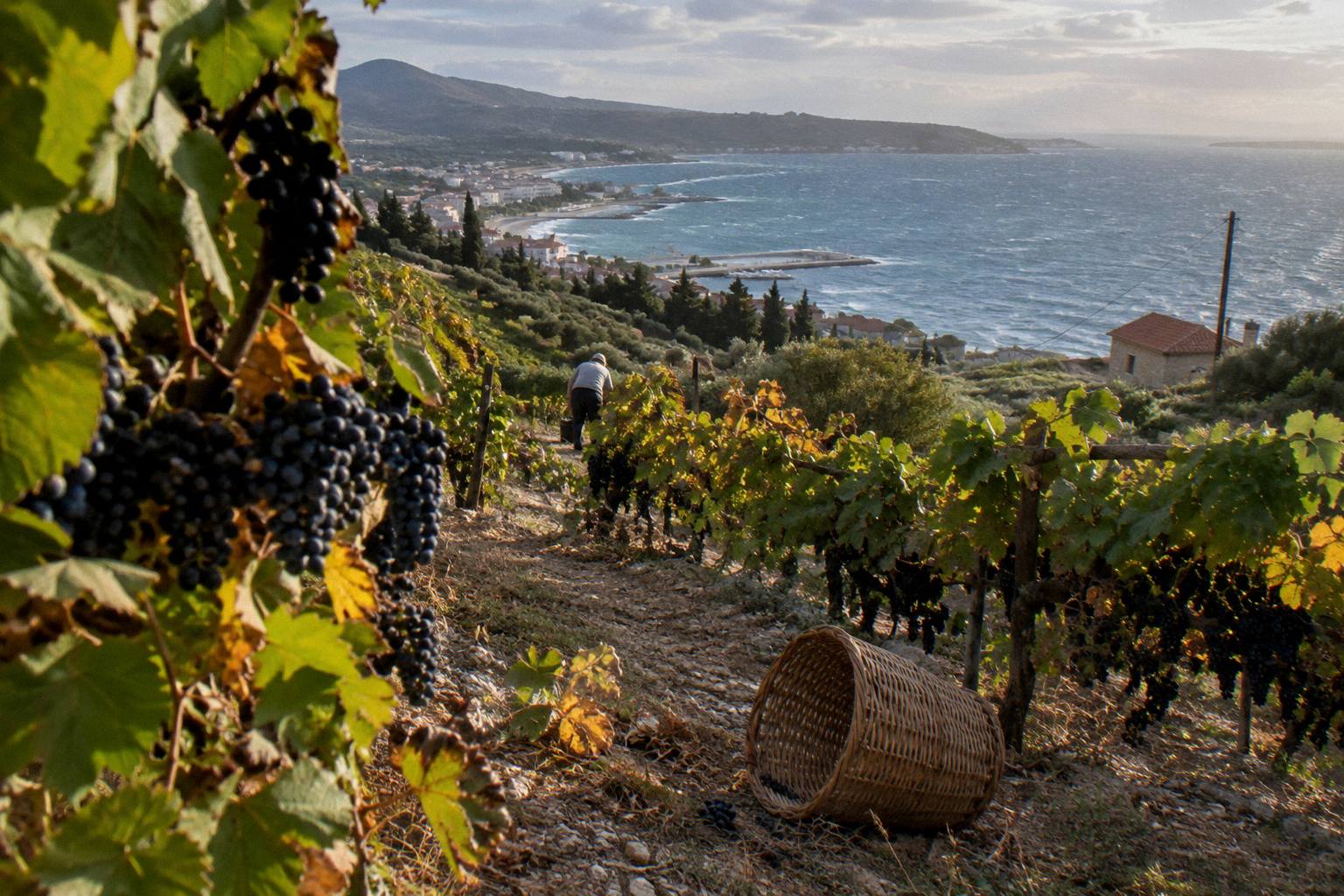
Muscat of Cephalonia comes exclusively from the Paliki peninsula, the western arm of Kefalonia whose main town is Lixouri. The protected zone names six places: Lixouri, Zola, Katogi, Soulari, Skineas and Havdata. Paliki is also home to the Mavrodaphne of Cephalonia PDO, so the peninsula carries two of the island's three protected wines.
Paliki is the part of Kefalonia that most visitors see only from the water. It sits across a narrow strait from Argostoli, reached by a regular ferry that takes about half an hour, or by a long road around the gulf. Lixouri is the second town of the island, and the peninsula behind it is a landscape of low hills, villages and vineyards that sees a fraction of the tourist traffic of the eastern coast.
The PDO zone is unusually compact. Six named communities, all on Paliki, and grapes from anywhere else on Kefalonia cannot go into a bottle labelled Muscat of Cephalonia. The same official listing recorded by the Greek PDO register summary confirms the grape rule too: 100 percent Muscat White, with no blending permitted.
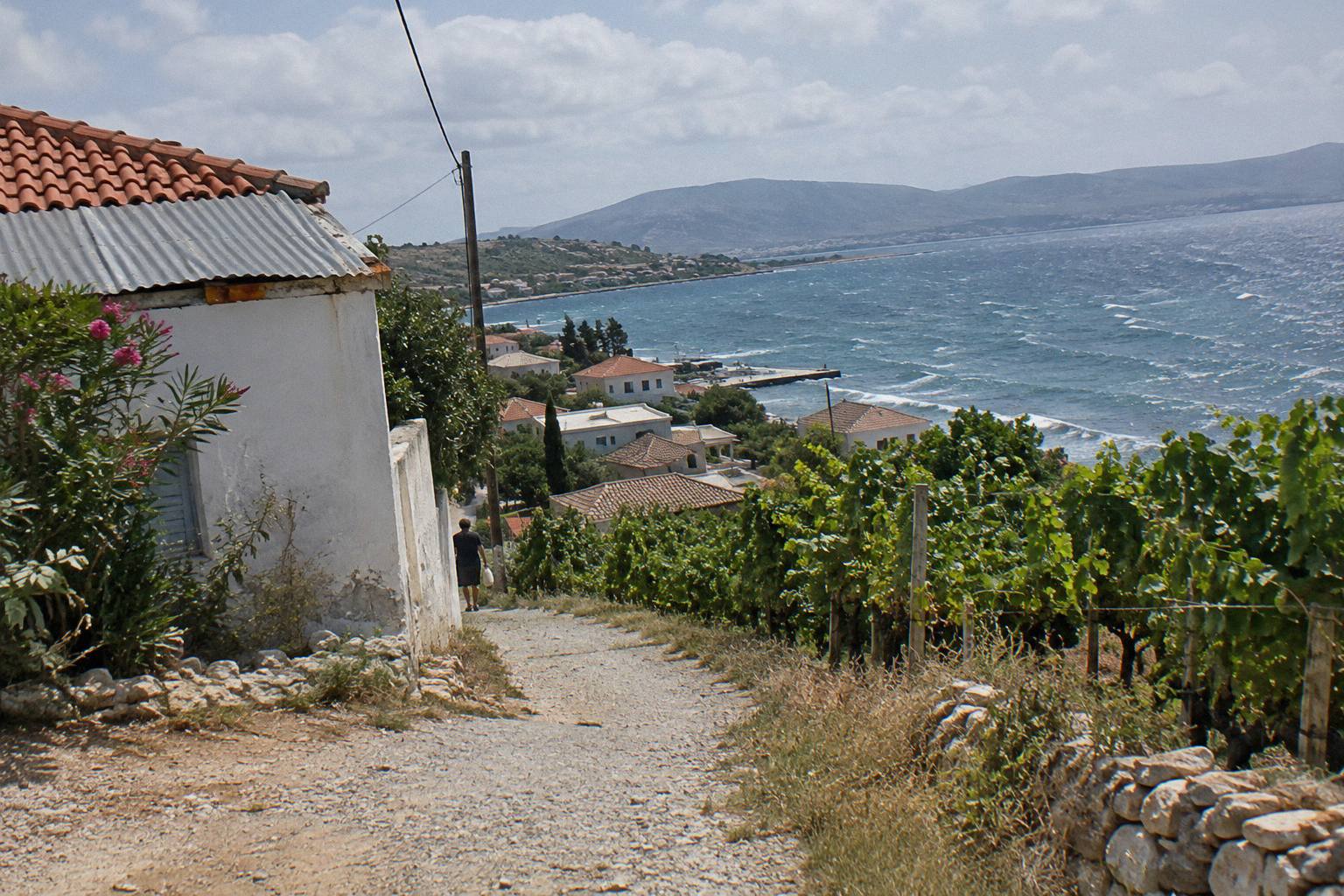
This geography explains the tour situation described in the opening. Most wine tours on this site depart from the Argostoli side, where the cruise port and the Robola Cooperative both sit. The one product that actually puts you in the Paliki vineyards is the E-Bike Wine Tour by Alpha Cycling Holidays, which departs from Lixouri and rides past vineyards on the peninsula, including a centuries-old vineyard, over a booked 4 hours. It pours 6 wine varieties, costs from €109 per person, carries an 18-plus minimum age, and includes the return ferry ticket between Argostoli and Lixouri, which quietly solves the transport question for the whole peninsula. Its review pool is small: rated 4.5 across 2 reviews, so treat the rating as an early signal rather than a verdict. Free cancellation applies with a 24 hour window. You can read the full listing on the Paliki e-bike wine tour page.
The listing does not name Muscat among its six varieties. It does not name any of the six. What it names is the place, and Paliki is the only place on Kefalonia where Muscat of Cephalonia can legally be grown for the PDO, so if any shared tour on this roster is likely to cross paths with the wine, it is this one.
Is Muscat Of Cephalonia Always Sweet?
Yes. The PDO specification defines Muscat of Cephalonia as a sweet white wine, and the register describes two permitted routes to that sweetness: wine made from sun-dried grapes, or a fortified version. There is no dry Muscat of Cephalonia under the protected name, and our verified record contains no sweetness figures or tasting notes for either style.
The sun-dried route is the older idea: grapes left to concentrate before pressing, so the resulting wine keeps sugar that a full fermentation would have consumed. The fortified route stops fermentation with added alcohol, leaving sweetness behind. Both are named in the official PDO entry, and the record we work from stops there. We will not tell you how the wine tastes, what it pairs with, or how sweet either version measures, because none of that is in our verified sources.
If you want to understand how the island's other sweet PDO wine works, the guide to Mavrodaphne of Cephalonia as a sweet red covers the neighbouring appellation, which is also sweet and fortified and also reaches into western Kefalonia and the Elios-Pronni area. The two wines bracket the island's sweet production: one white from Paliki, one red with a wider western zone, and the specification for the red is published by Wines of Greece in the same register.
One caution that belongs here rather than anywhere else on the page: sources disagree about the exact year the Muscat and Mavrodaphne PDOs entered the register, some saying 1971 and others 1981, so this site prints no year for either. The Robola PDO date is settled at 1981, but that is a different wine with a different paperwork trail, covered in the guide to Robola and the Omala PDO zone.
Which Kefalonia Tours Pour Muscat?
No tour on this roster pours Muscat of Cephalonia by name. Three come close in different ways: the Paliki e-bike tour rides the zone where the grapes grow, the Wine Bar Workshop pours five island labels, and the 18 Tastings In 3 Wineries tour offers eighteen pours across three wineries. On any of them, Muscat is a question you ask the person pouring, not an inclusion you can book.
The Wine Bar Workshop by Unexplored Kefalonia takes place at the Oinos wine bar in the Skala area. It pours 5 Kefalonian labels, the listing names Robola and Mavrodaphne among them, and runs 1 hour 30 minutes with a structured tasting technique session led by a wine expert. It costs from €60 per person, carries an 18-plus minimum age, and lists no rating or review count on its live listing, so we print none. Snacks are noted, a full meal is excluded, and transfers to and from the bar are not included in the price. Free cancellation applies with a 24 hour window. Two of the island's three PDO wines are confirmed in its flight, which makes it a reasonable place to ask whether the third is on the shelf.
The 18 Tastings In 3 Wineries tour by Kefalonia Excursions casts the widest net of anything on the site. Eighteen wine tastings paired with local delicacies, plus olive oil, across three wineries over a booked 5 to 6 hours, with hotel pick-up and drop-off included. It costs from €85 per person, carries an 18-plus minimum age, excludes lunch, and carries a rating of 4.6 across 20 reviews with free cancellation on a 24 hour window. The listing does not name the three wineries, so it cannot promise Muscat, but eighteen pours across three producers is the format where a sweet island white is most likely to surface somewhere in the line-up.
Then there is the plain question of how to ask. "Do you have the Muscat of Cephalonia?" is a complete sentence in any tasting room on the island, and on Paliki it is the local wine, not a curiosity. The 50-Minute Tasting, 3 Labels by Kefalonia Excursions at The Vine wine shop on the Argostoli waterfront pours three named island labels, Robola, Vostilidi and Mavrodaphne, with olive oil, vinegar and cheese, from €25 per person over 50 minutes. Muscat is not one of the three labels, and the shop setting means the shelves around the tasting table may hold more than the flight does. It carries no printed rating, an 18-plus minimum age, a listed meeting point at Leof. Ioannou Metaxa 40 in Argostoli, and free cancellation within 24 hours.
How Does Muscat Fit With Robola And Mavrodaphne?
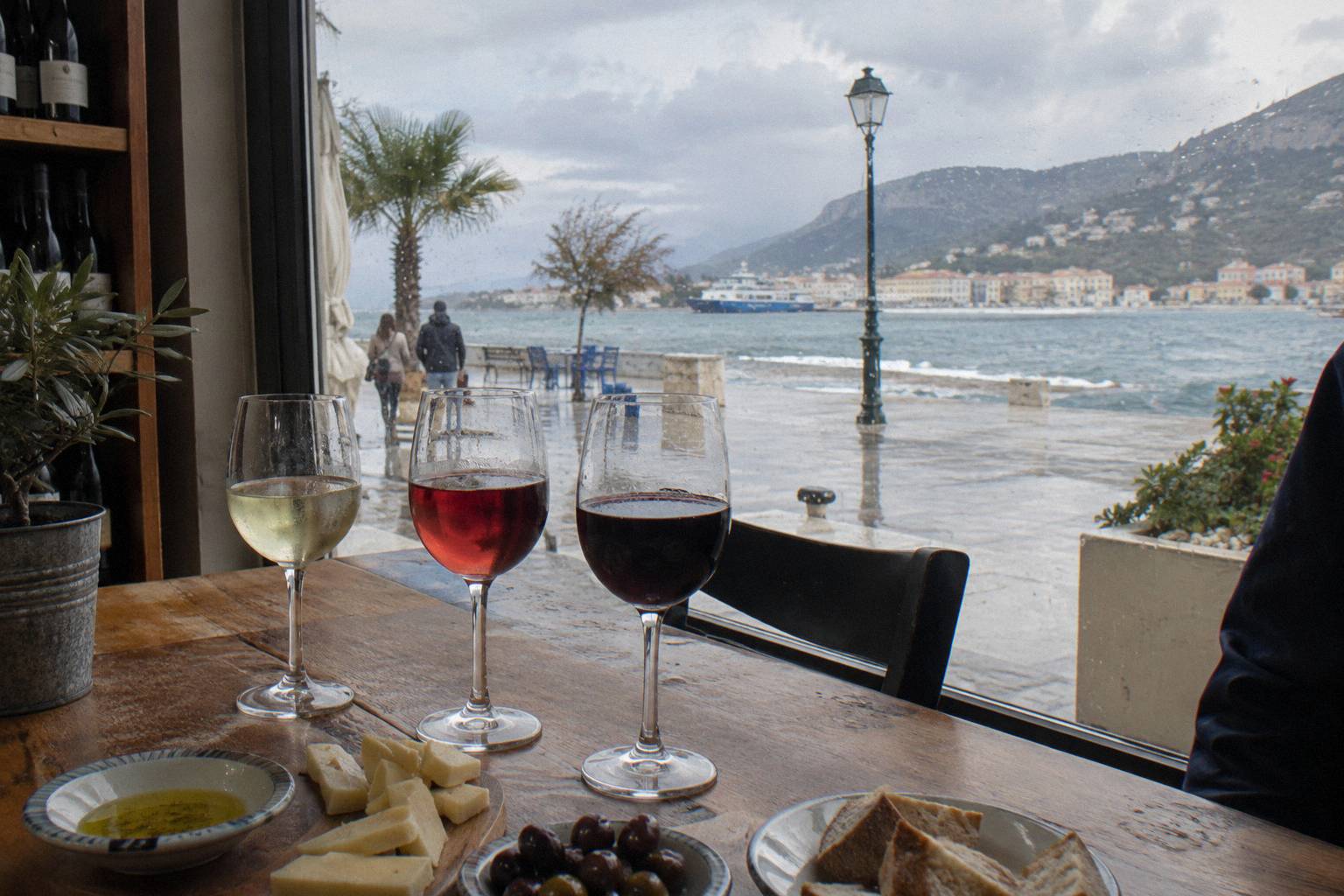
Kefalonia holds three PDO wines, and they divide the island neatly: Robola from the Omala plateau on the Mount Ainos side, Mavrodaphne from western Kefalonia and Elios-Pronni, and Muscat from Paliki. Robola must be 100 percent Robola from a zone spanning Omala, Davgata, Dilinata, Troianata, Faraklata and parts of Moussata and Vlachata, at altitudes of roughly 175 to 800 metres.
That three-way split is the single most useful frame for understanding the island's wine shelf. Each wine owns a different piece of geography, a different grape and, in two cases, a different style. Robola is the one with the institutional backbone: the Robola Cooperative in the Omala Valley was founded in 1982, counts about 300 growers, sits near the Agios Gerasimos monastery at about 410 metres, and pours free tastings on weekdays with longer hours from May to October, as described by the island's official tourism organisation.
| PDO wine | Grape | Zone | Style |
|---|---|---|---|
| Robola of Cephalonia | 100% Robola | Omala plateau, Mount Ainos area, about 175-800 m | Not specified in our record |
| Mavrodaphne of Cephalonia | Mavrodaphne, min 51% | Western Cephalonia including Paliki, Elios-Pronni | Sweet red, fortified |
| Muscat of Cephalonia | 100% Muscat White | Paliki peninsula: Lixouri, Zola, Katogi, Soulari, Skineas, Havdata | Sweet white, sun-dried grapes or fortified |
Note what the table does not say. It gives no tasting notes, no scores and no vintages, because our verified record contains none for these wines and this site does not invent them. For the grape itself, the blog post on what kind of wine Robola actually is goes deeper on the island's flagship, and the wider question of which Greek island is best for wine tasting puts Kefalonia's three-PDO haul in national context.
Harvest on the island runs September to October, with the Robola festival in late August, so a visit in that window puts you in the vineyards at the most interesting time of year, on Paliki as much as in Omala.
The paperwork behind the split is worth knowing too. The Robola of Cephalonia PDO was registered in 1981, and its rules require the vineyards to sit at least 50 metres above sea level, which the 175 to 800 metre band comfortably clears. Mavrodaphne's minimum 51 percent grape share leaves room for Corinthian Black in the blend, and the wine is fortified during fermentation, which is what keeps it sweet; young examples show dried red fruit, while aged ones move towards coffee and spice. For Muscat and Mavrodaphne, our sources conflict on the register year, so we print none. In the national picture, Greece counts 34 PDO wine locations and more than 100 PGI wines, with PDO covering the former appellation-of-origin wines and PGI covering local wines and some traditional appellations; Kefalonia's three PDOs sit alongside island peers such as Santorini (dry Assyrtiko-based whites, minimum 85 percent Assyrtiko), Paros (Monemvasia-based white, Mandilaria-based red), Samos (the largest Greek PDO for sweet Muscat whites) and Crete's several PDOs including Peza, Archanes, Dafnes and Sitia.
Two practicalities shape any tasting day here. Greece sets the alcohol purchase and consumption age at 18, and the drink-drive limit is very low, so do not drive after tasting; plan a driver or stay put in one spot. Payments are in euro. The Cooperative's tastings are free, which makes it the natural anchor of an Omala visit, and its weekday window of 9 to 15 narrows further outside May to October, so time the rest of the day around it rather than the reverse.
Beyond the Cooperative, tourism sources confirm five wineries open to visitors on the island: Gentilini, Sclavos, Haritatos, Petrakopoulos and the Robola Cooperative itself, with Foivos, Melissanos, Divino and Vassilakis not confirmed in the sources we checked. If you are visiting by sea, the Argostoli cruise port sits on the central waterfront, with ships docking at the pier or tendering to the central harbour depending on the ship and traffic, and Lixouri, the gateway to Paliki's Muscat country, is a ferry ride across.
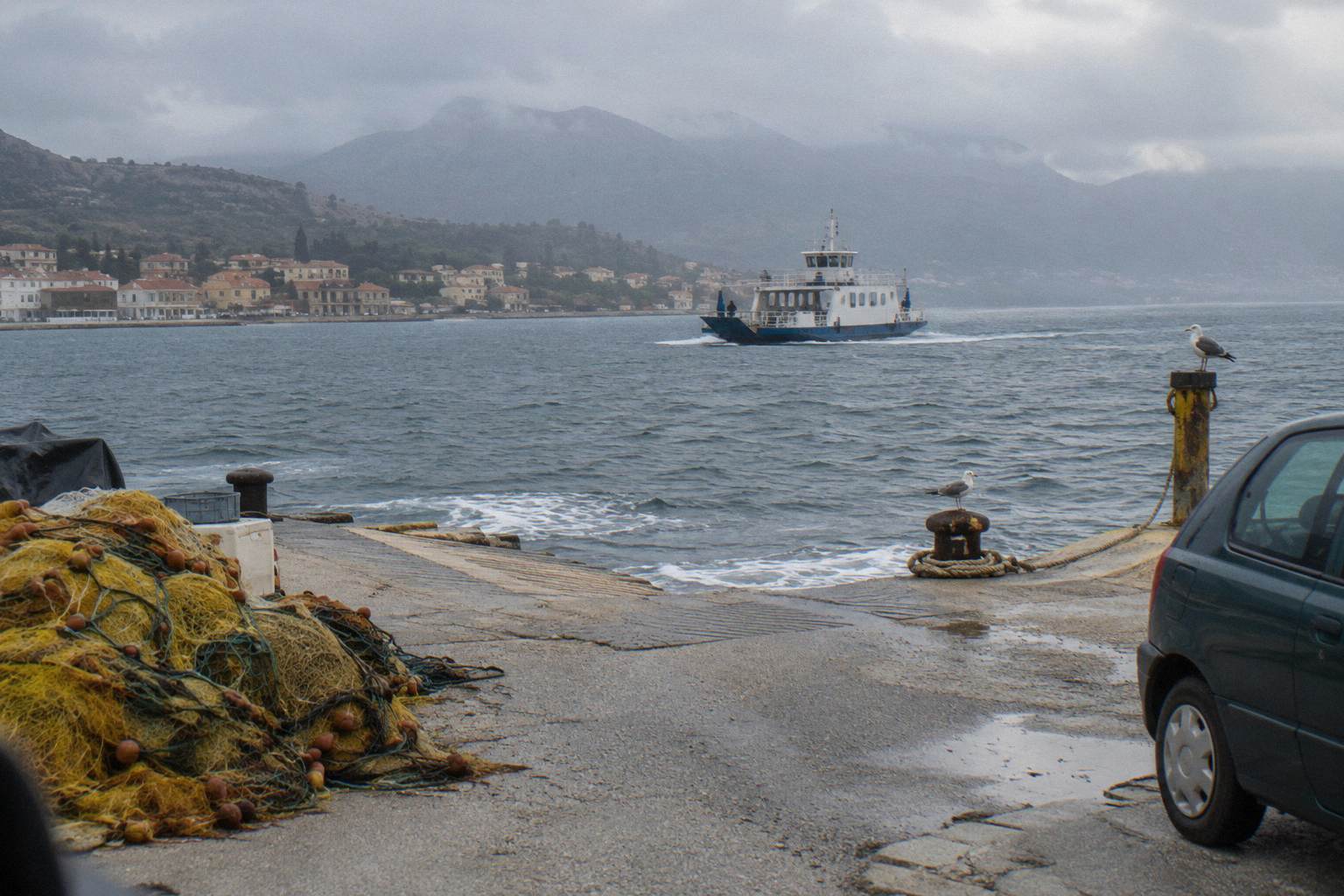
Can You Visit Paliki On A Day Trip?
Yes, and it is simpler than most visitors expect. Lixouri is connected to Argostoli by a short ferry crossing, and the E-Bike Wine Tour builds the return ferry ticket into its price. Cruise passengers dock or tender into Argostoli's central waterfront, so the peninsula is reachable from a ship day without a car, and the tour's 4-hour booked duration fits inside most port calls.
The Argostoli cruise port sits on the central waterfront; ships dock at the pier or tender into the central harbour depending on the ship and traffic. From there, the ferry to Lixouri is the natural next step, and it is the step most wine itineraries on this island skip. For shore day planning generally, the guide to wine and food shore excursions from Argostoli covers the options that stay on the Argostoli side.
If you would rather not organise Paliki yourself, the small-group and private options that stay on the main island are the alternative. The Wine Tour, Snacks Included by Kefalonia Wine Tour is the most reviewed product on this entire roster: rated 5 across 407 reviews, from €90 per person, 4 to 5 hours, with hotel pickup and drop-off, bottled water and a wine tasting with snacks and local delicacies. It visits vineyards, olive groves and villages, and its listing names no winery, so we name none either. Free cancellation applies within 24 hours. It does not go to Paliki, but 407 reviews make it the safest default on the island.
On the private side, the Private Wine Tour, Snacks by SEVEN Sailing & Tourism Services runs 4 to 5 hours from €146 per person with mezes, snacks and the wine tasting included, an 18-plus minimum age, and a Robola tasting on site. Its rating is 5 but from a single review, so read it as one happy customer rather than a track record. Again, no Paliki and no Muscat, just another format for a day built around island labels.
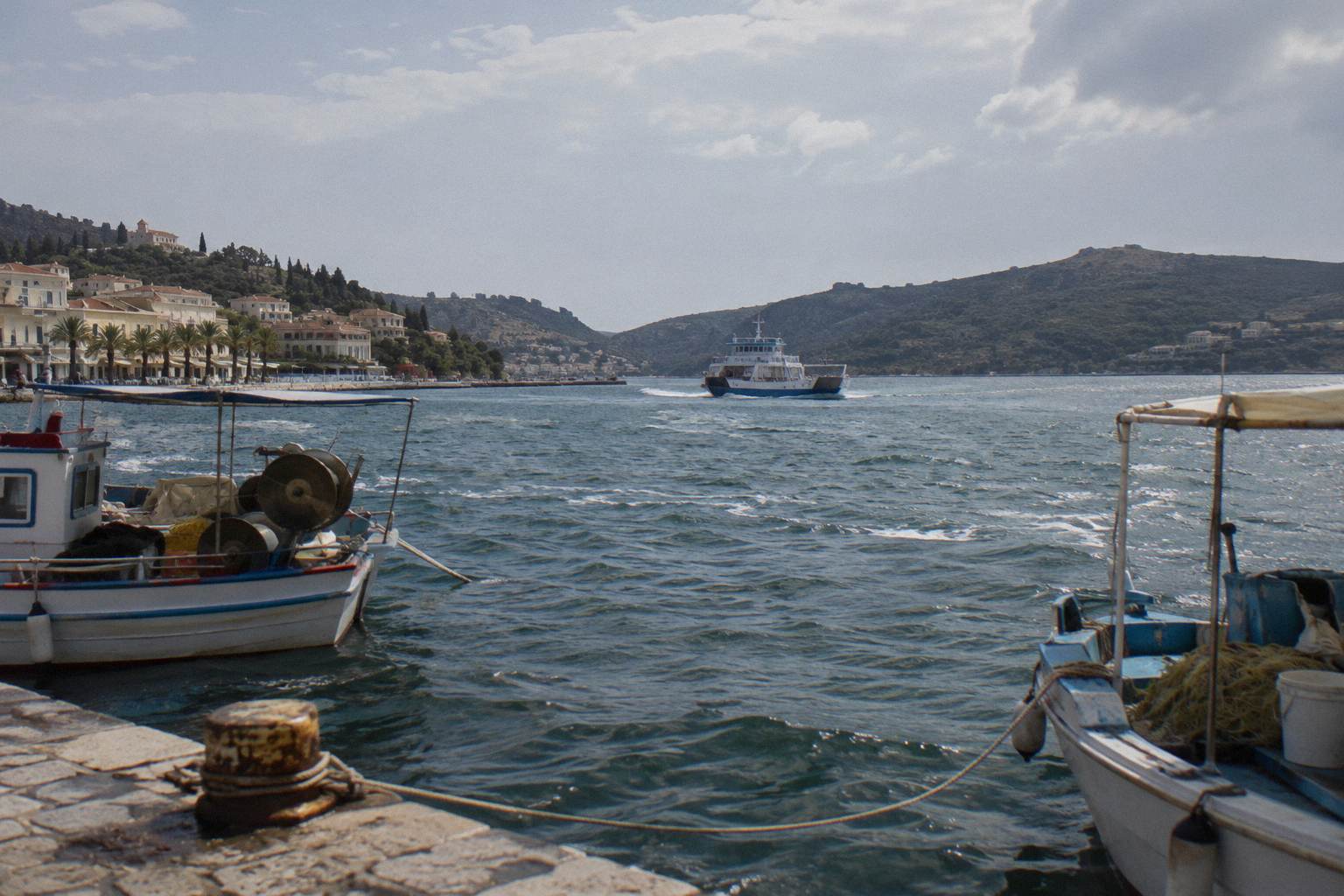
Is Muscat Of Cephalonia Worth Seeking Out?
For a visitor, Muscat of Cephalonia is worth seeking out as the island's rarest protected wine rather than its most available one. You cannot book a tour that guarantees it, so the realistic plan is to ride or ferry into Paliki, ask at every multi-label tasting, and treat a glass as a bonus on top of a day that would be good anyway.
There is a honest way to set expectations here. Robola you will meet almost anywhere on the island; the Cooperative pours it free on weekdays. Mavrodaphne appears by name in at least two tasting flights on this roster. Muscat appears in none, which means finding it is partly luck and partly legwork. The legwork is a ferry ticket and a question, and the ferry ticket is already inside the e-bike tour's price.
Two practical notes round this out. Every tasting-led product on this roster that names an age carries an 18-plus minimum, and Greece sells and serves alcohol from 18, so no Muscat hunt is a family activity for teenagers in the tasting room; the blog on whether Kefalonia winery visits work for kids covers the family-side planning. And the drink-drive limit in Greece is very low, stricter still for some driver categories, so do not drive after tasting: the tours with included pickups, and the ferry-based e-bike format, exist precisely so nobody has to.
The question of cost is fair too. A dedicated Muscat experience does not exist on this roster, but the entry points are cheap: from €25 for the 50-minute three-label tasting in Argostoli, from €60 for the Wine Bar Workshop, from €85 for eighteen tastings across three wineries. The blog on what a winery visit actually costs in Kefalonia breaks the ranges down if you are budgeting a whole week of tasting rather than one afternoon.
Pick by format, not by promise. The e-bike tour is for the peninsula itself and the ferry logistics. The workshop is for learning how to taste, with five island labels in front of you. The three-winery day is for volume and variety. Any of them is a legitimate place to say the wine's full name out loud and see what comes back from the shelf.
Common Questions About Muscat Of Cephalonia
What Is Muscat Of Cephalonia?
A sweet white wine with a protected designation of origin, made from 100 percent Muscat White grapes on the Paliki peninsula in western Kefalonia, around Lixouri, Zola, Katogi, Soulari, Skineas and Havdata. It is one of three PDO wines from the island, alongside Robola and Mavrodaphne, and it can be made from sun-dried grapes or fortified.
Where Is Muscat Of Cephalonia Made?
Only on the Paliki peninsula, whose main town is Lixouri. The PDO zone names six communities: Lixouri, Zola, Katogi, Soulari, Skineas and Havdata. Paliki also falls within the wider Mavrodaphne of Cephalonia zone.
Is Muscat Of Cephalonia Sweet Or Dry?
Sweet, in both of its permitted forms. The PDO specification defines the wine as sweet white, made either from sun-dried grapes or fortified. There is no dry Muscat of Cephalonia under the protected name.
Which Tours Pour Muscat Of Cephalonia?
No tour listing on this site names it. The closest options are the Paliki E-Bike Wine Tour, which rides the peninsula's vineyards, the Wine Bar Workshop with its five Kefalonian labels, and the 18 Tastings In 3 Wineries tour. On all three, Muscat is a question to ask the person pouring rather than a booked inclusion.
How Do You Get To The Paliki Peninsula?
By ferry from Argostoli to Lixouri, or by road around the gulf. The E-Bike Wine Tour includes the return ferry ticket in its price and departs from Lixouri, which makes it the simplest Paliki option for visitors without a car, including cruise passengers docked at Argostoli's central waterfront.
How Old Do You Need To Be To Taste Wine In Kefalonia?
Greece sells and serves alcohol from age 18, and every tasting-led tour named in this article carries its own 18-plus minimum age on its listing. Under-18s cannot join the tastings themselves.